

SiPhotonIC Technologies is a rapid nano-fabrication foundry specializing in custom silicon-on-insulator (SOI) and thin-film lithium niobate (TFLN) photonic integrated circuits (PICs).
Fragmentation and Data Maintenance in design software is a challenge for small-scale, innovative foundries that want to be accessible for their users/customers:
- Tool Fragmentation: As it is a matter of taste, different customers prefer using different software tools such as: Luceda Photonics‘ IPKISS, Synopsys‘ OptoCompiler, GDSFactory, KLayout, Nazca and more.
- High Development Costs: Building and managing separate, custom PDKs for multiple distinct software tools manually would become extremely inefficient and time consuming;
- The Maintenance Trap: As manufacturing processes evolve, updating data, design rules, and hardware simulation models across multiple independent software kits introduces massive data inconsistencies and is prone to errors.
SiPhotonIC Technologies wanted to solve these problems and make their technology accessible across multiple design environments by streamlining their dataflow.
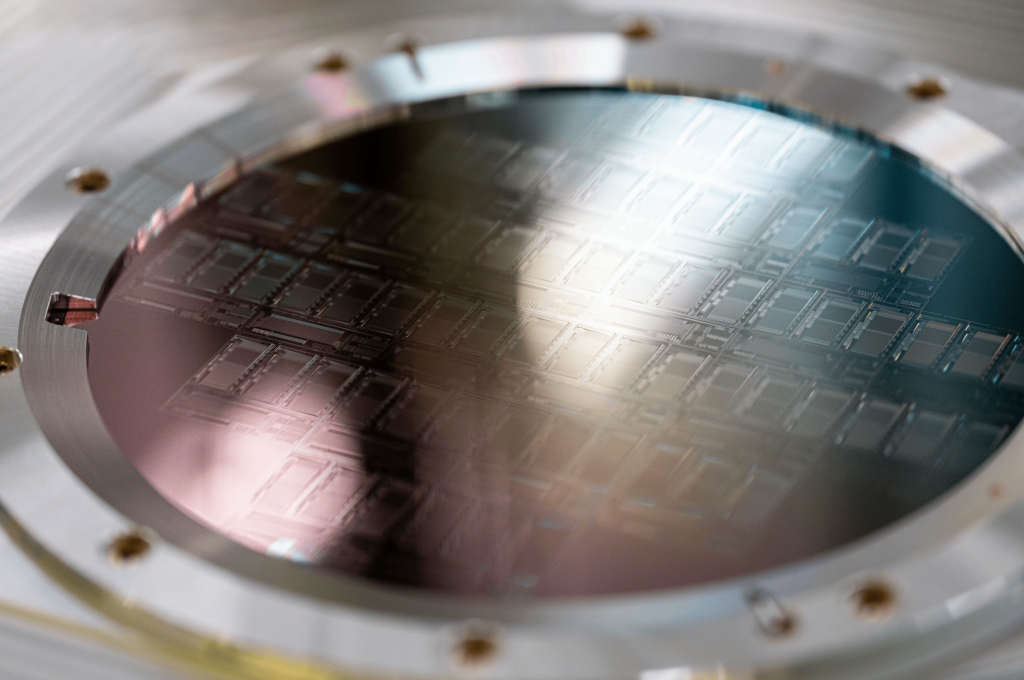
Epiphany’s xPDK framework
SiPhotonIC partnered with the photonic design house, Epiphany Design, to engineer a standardized, automated foundry enablement solution, the xPDK framework. Epiphany supported SiPhotonIC by:
- The creation of a Single Source of Truth: In photonic chip design, the software toolchain is highly fragmented. Usually, a foundry has to build and manually update a separate PDK for every single design software. Epiphany structured a centralized, master database with all of SiPhotonIC’s foundry metrics, component libraries, component geometries, and design rules;
- Automated Software Translation: xPDK supports automated scripts and compilers that dynamically translate this single master database into software-specific PDK configurations that are ready to use.
- Built a Scalable Maintenance Flow: Instead of updating multiple toolsets individually, Epiphany built a verification pipeline. Now, when SiPhotonIC adjusts a fabrication layer or rule, the change is applied once and all PDK’s are updated and consisted.
The Impact: Scalable Foundry Enablement
The completed xPDK project transformed how SiPhotonIC interacts with the global market:
- Seamless Customer Onboarding: Designers can design in their preferred environment while accessing SiPhotonIC’s fabrication platform with ease.
- No Data Inconsistencies: Centralized validation eliminated mismatch bugs between different software PDK implementations.
- Accelerated Tape-Outs: Shorter design-validation loops mean faster prototyping and rapid delivery for Multi-Project Wafer (MPW) runs.
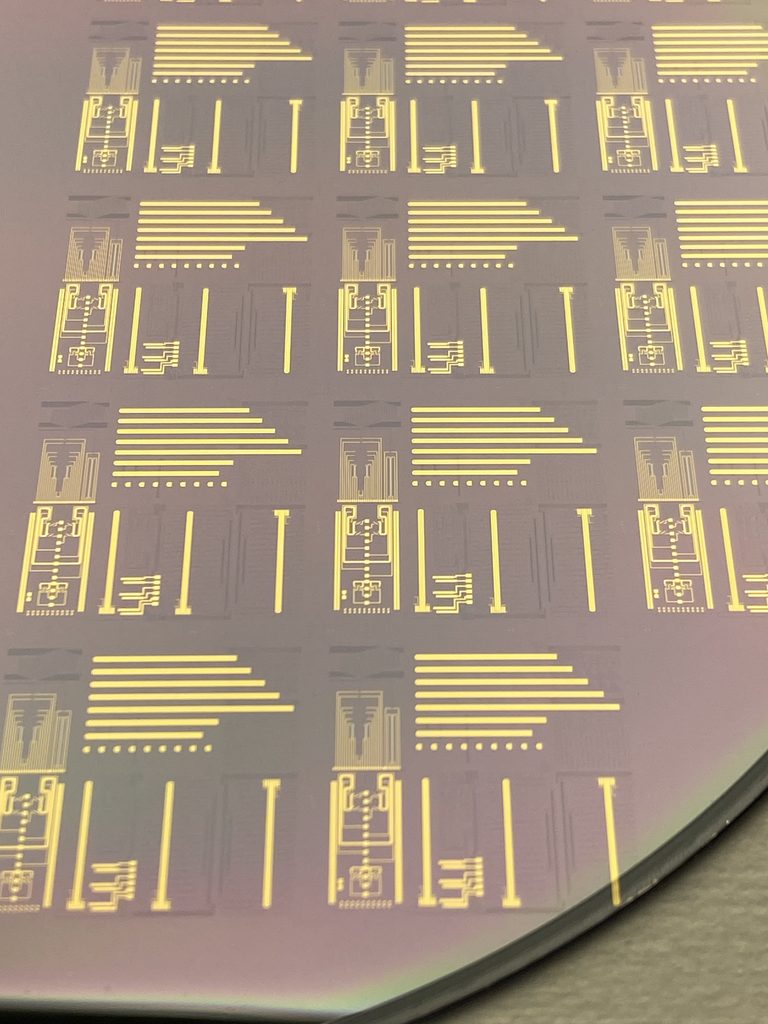
From theory to application
The development of SiPhotonIC’s xPDK framework has also played an important role in enabling the company to launch its Multi Project Wafer (MPW) run services efficiently. The xPDK framework provides in the particular type of an MPW service a unified design environment across multiple photonic design tools, streamlining the transition from PIC design to fabrication and making SiPhotonIC’s technologies more accessible to external designers. This foundry-enablement infrastructure provides an important foundation for scaling MPW offerings and supporting a growing community of photonic designers, while keeping the processing complexity as low as possible for the foundry side.
To learn more on the newly launched SOI MPW service of SiPhotonIC and how you can register, please visit www.siphotonic.com


